You don’t have to do this alone.
Therapy & support groups for widows in Texas.


From Crisis to Possibility
Losing a spouse doesn't just take someone from you—it takes the version of yourself you built around them: the identity, the role, the future you had imagined. Widowhood deconstructs us. It disassembles your life, forcing you to examine the components that made you a wife. Grief forces a widow to reconstruct their life narrative. To look at her identity, the role she plays in life and her future.
Mourning can be a long and painful process. A path that requires letting go cognitively, emotionally, and behaviorally over and over again. It takes time, patience and practice. Not perfection. With time, chaos and order become a dance. The movement creates a deeper understanding of who you are, what you need, and what kind of life you want to build. Grief doesn't go away but it does change shape. It becomes something you carry differently, something that, with time, can even open doors you didn't know were there.
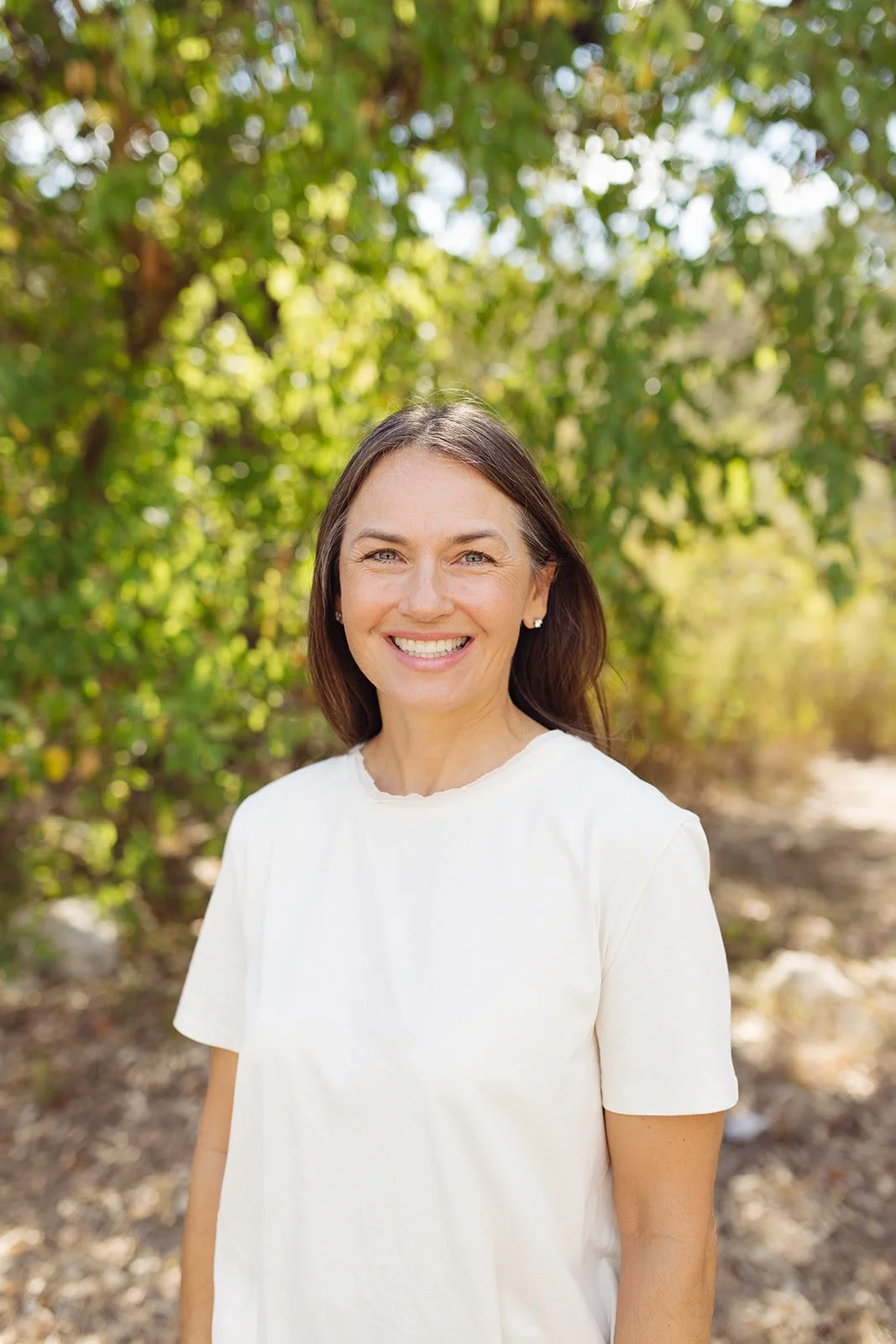

I’m Todla.
In 2012, my husband died from cancer . My children were five and seven years old, and I was suddenly left doing it all alone—the grieving, the parenting, the slow and painful work of figuring out who I was in this new, disorienting reality. The journey brought me to my knees...but it also taught me how to stand.
What helped most wasn't a program or a protocol. It was other women who had been through it. Various friends introduced me to other widows and a small tight knit group was formed. We held space for each other when things became too much and supported each other by co-parenting via telephone. The discovery that I wasn't the only one brought profound relief. It also showed me what had been missing and what was possible.
I went back to school because if I could help one widow feel less alone, perhaps even hopeful, the time and tuition would be worth it. I'm building the practice I wish had existed when I needed it most. Nobody should have to walk this road alone.
It’s brave to ask for help.
Here are some ways we can work together.

Individual Therapy
Grief rarely exists in isolation. As we work through loss together, we also meet what surfaces alongside it—questions of identity, patterns from the past, challenges that may have always been there but are now impossible to ignore. The focus isn't on who you were. It's on who you're becoming.
Sessions are available via telehealth or walk & talk in Central Austin.

Relational Support
Widowhood reshapes the entire family system, not just one person within it. These sessions extend support to the people in your orbit—adolescent children, new partners, extended family—helping everyone find language for what they're carrying, and a way back toward each other.

Support Groups
Something powerful happens when widows find each other. These intimate, closed cohorts weave together psychoeducation, somatic exploration, and the kind of support that only comes from sitting with others who know what you're going through.
Next cohort begins January 2027. Now accepting intakes.


We're not here to “fix” you because you're not broken.
Our work is to gain a greater understanding of how you've been shaped by your life experiences in order to open up space for clarity, forgiveness, and growth. I incorporate evidence-based techniques that support your nervous system, relationships, and daily life.
-
A structured goal-oriented form of psychotherapy that helps individuals identify and replace negative or irrational thought patterns and behaviors with healthier more functional ones.
-
Helping individuals respond to their own suffering, failures, and inadequacies with the same kindness and understanding they would show with a dear friend.
-
EMDR is a structured psychotherapy and helps people process and heal from traumatic or distressing memories. It was developed by Francine Shapiro in the late 1980’s. Grief can become complicated or “stuck” especially after a sudden loss, traumatic death, or when someone feels guilt or intrusive images around the loss.


“This is a moment of suffering. Suffering is part of life. May I be kind to myself in this moment. May I give myself the compassion I need.”
— Kristin Neff from Self-Compassion
A Few Things to Know
-
For many widows, grief is rarely the whole story. Loss has a way of surfacing things that were always there—old patterns, depression, anxiety, struggles with food or substances, even late recognition of something like ADHD. Grief can also intermingle with trauma. Trauma often blocks grief and grief amplifies trauma which can lead to ceaseless rumination and pain.
Many women arrive grieving and discover, somewhere in the process, a deeper understanding of who they've been all along. Wherever the work leads, you won't be reduced to a diagnosis or rushed toward "normal." We'll make room for whatever surfaces, with patience and without judgment.
-
Although my practice is focused primarily on widows, I do sometimes meet with other members of the family to support understanding, improved communication and group healing. In this context, I am able to work with teens age 14 and up.
For younger children, I am happy to provide referrals for specialists in this area.
-
I conduct the majority of sessions virtually through a secure telehealth platform.
For those who live in Central Austin, I am also available for Walk & Talk sessions.
-
Throughout the year, I offer 3-4 closed groups for widows. These are capped at 8 participants and we meet weekly for 6-8 weeks. Each session is 90 minutes and takes place virtually. Enrollment is now open for the next cohort starting in August 2026.
Participants must reside in Texas.
-
I do not accept insurance—only private pay. However, I do offer a sliding scale and do my best to provide therapy at affordable rates as long as the client is willing to invest their time and commit to the therapeutic process.
-
I charge $150/hr for individual sessions and $180/hr for couple / family sessions.
Let's take the next step, together.
I'll be in touch within 48 hours to schedule your free, 60-minute consultation.